
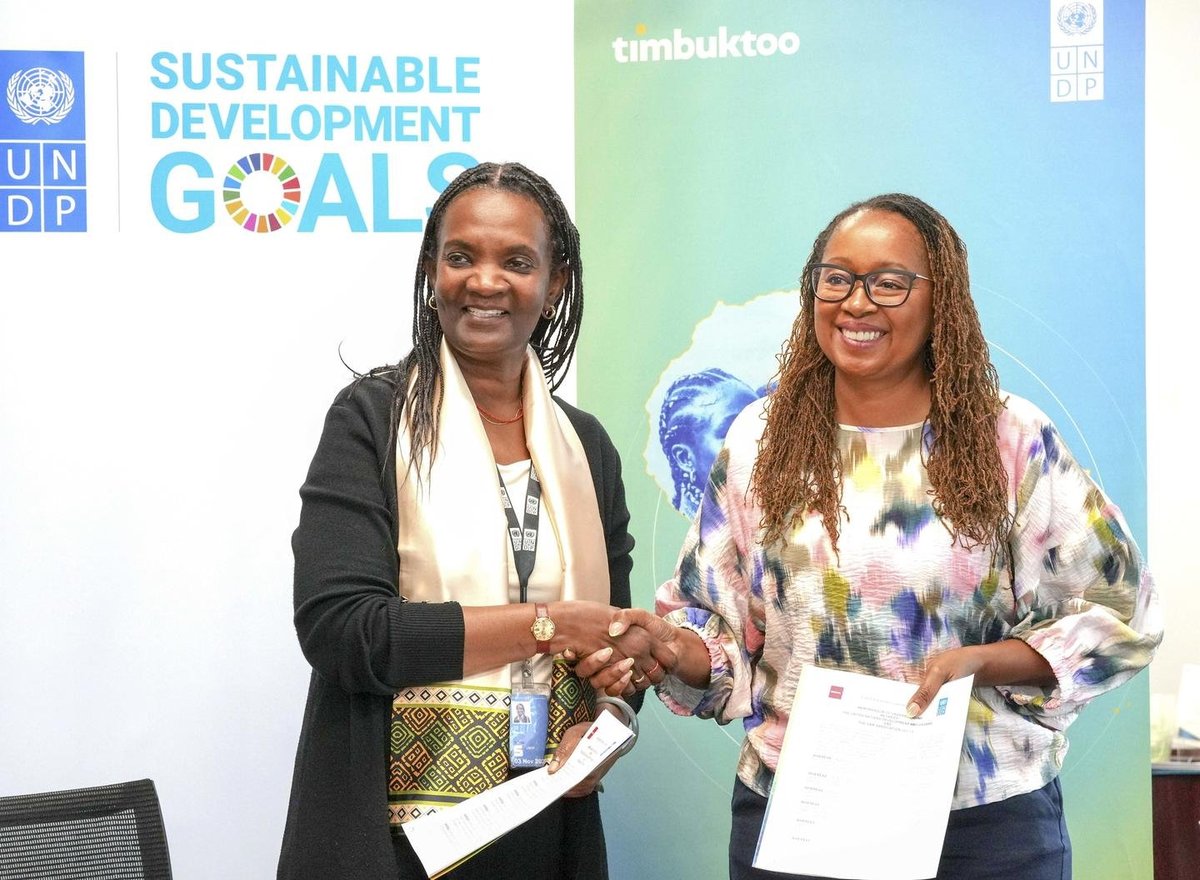
The United Nations Development Programme (UNDP) and the GSMA have announced a strategic partnership aimed at strengthening Africa's artificial intelligence ecosystem and accelerating the deployment of African-led AI solutions — with AI in African languages placed squarely at the centre of the work.
The collaboration brings together the GSMA's mobile industry expertise and networks with UNDP's development programmes and innovation platforms, in an effort to connect local talent with the infrastructure and opportunities needed to build and deploy AI that responds to Africa's own priorities.
What the Partnership Actually Does
The announcement is not a general statement of intent — it names specific mechanisms. Working through the UNDP timbuktoo initiative, which supports African innovators to scale development solutions, the two organisations will:
Improve access to compute infrastructure for priority AI pilots — the processing power that AI projects need and that is often the first thing to run out for teams working outside well-funded labs.
Connect African talent to real-world AI applications — linking the people building models with the problems, institutions and markets that need them.
Support the deployment of locally developed solutions — moving projects from prototype into actual use.
Identify pathways for long-term sustainability and scale — the step where many promising pilots quietly stop, because funding or support runs out before a solution reaches the people it was built for.
African Language AI: The ATLAS Umoja AI Connection
The partnership aligns with the GSMA's wider work on African-language AI throughATLAS Umoja AI, launched with government and industry partners in July 2026.
ATLAS Umoja AI brings together expertise and language data from across the continent to support AI services that reflect local needs. The point is straightforward but important: an AI tool that cannot understand the language you think and work in is not, in practice, available to you — however capable it may be in English.
By addressing language and content barriers directly, the initiative targets one of the quieter obstacles to digital inclusion in Africa: the gap between what AI can do and what it can do for the people who live here.
Who Is Involved on the Ground
The collaboration will mobilize talent and expertise from across the GSMA and UNDP networks — including the UNDP-supported University Innovation Pods (UniPods)network, AI Labs, universities, and other ecosystem partners.
That roster matters. UniPods and university partners put the work close to the people who will use it: students, researchers, and local institutions, rather than a distant central team. It is the same principle that makes locally led innovation effective in any sector — proximity to the problem.
What the Leaders Said
Aissata De, Officer-in-Charge and Regional Director for Africa at UNDP:
"Africa has the talent and creativity to shape the future of artificial intelligence. Through this partnership, we will help connect innovators to the infrastructure, skills and opportunities needed to develop and scale AI solutions that address Africa's priorities and create opportunities for young people across the continent."
Angela Wamola, Head of Africa at the GSMA:
"Africa's AI future must be shaped by its own talent and reflect the languages and needs of its communities. The mobile industry has an important role to play in helping locally developed solutions reach the people and businesses that can benefit from them. By bringing together the GSMA's industry networks and UNDP's innovation platforms, this partnership will help African innovators move from promising pilots towards sustainable services that support inclusive digital and economic growth."
Why This Matters for Digital Literacy
At Digital Literacy Consultants, we read announcements like this with a practical eye. A partnership that improves access to compute, connects talent to real problems, and funds the unglamorous work of scaling is addressing the exact gap we see in our own training rooms — not a shortage of capability, but a shortage of the conditions in which capability can turn into something lasting.
The African-language element is the part we will be watching most closely. Skills training that teaches people to use AI tools designed for other languages leaves value on the table. Tools that work in the languages learners actually speak open the door to everyone else — and that is the difference between AI reaching a minority of Zambians and AI reaching the country.
If your school, institution, or organisation wants to be ready for that shift — through AI literacy training, technology supply, or a digital lab built for your community — get in touch.